How to Recover From Overusing Beauty and Cosmetic Products That Caused Breakouts, Dryness, or Sensitivity

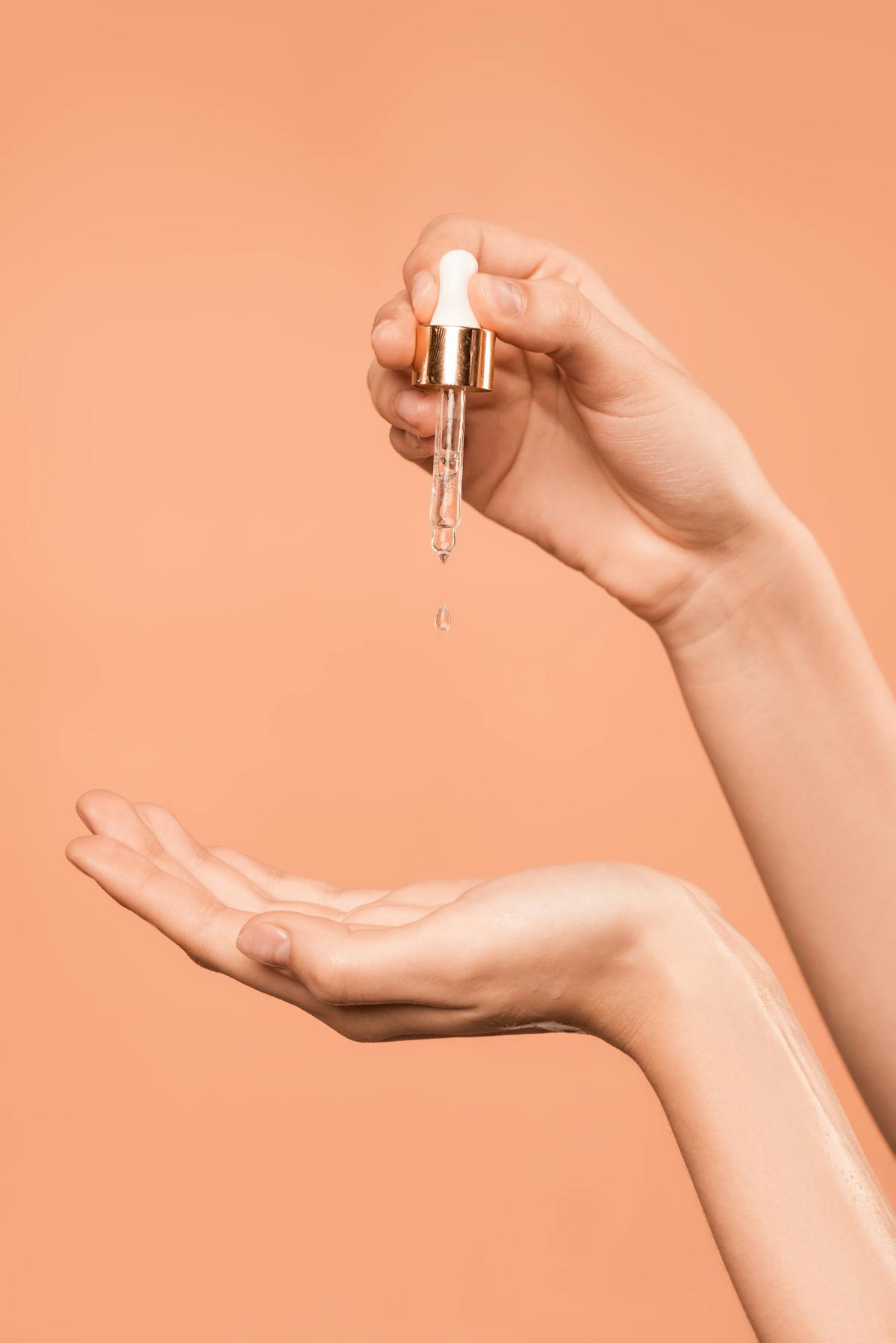
Skincare recovery routine with gentle moisturizer

How to Recover From Overusing Beauty and Cosmetic Products That Caused Breakouts, Dryness, or Sensitivity

It usually starts with good intentions. You add a new acid, a stronger retinoid, a brightening serum, a scrub, or a trending mask because you want clearer, smoother skin. Then your face starts feeling tight, flaky, red, itchy, or suddenly more breakout-prone than before. If that sounds familiar, you are not alone. A damaged skin barrier can show up as acne, dry or flaky skin, inflammation, rough patches, tenderness, itchiness, and stinging when you apply products. Harsh cleansing, scrubbing, and product overload can make that worse instead of better. (Cleveland Clinic)

The good news is that recovery usually starts with doing less, not more. If you have been overusing beauty and cosmetic products, the first move is to stop the obvious triggers. Put aside scrubs, exfoliating acids, retinoids, peel pads, strong acne spot treatments, and anything that burns or stings right now. The American Academy of Dermatology recommends gentle, non-abrasive cleansing and regular moisturizing because harsh products and scrubbing can irritate skin, while fragrance-free products are often a safer choice for sensitive or dry skin. (American Academy of Dermatology)

A recovery routine should be very simple for a while. In the morning, use a gentle cleanser only if you really need one, then apply moisturizer and sunscreen. At night, cleanse gently and moisturize again. That is enough for most people while skin calms down. Dermatologists recommend washing with lukewarm water, using your fingertips instead of a washcloth or scrub tool, and avoiding over-cleansing. If acne is part of the problem, they also recommend gentle washing up to twice a day and after sweating, not more than that. (American Academy of Dermatology)

The cleanser matters more than people think. When your skin is irritated, a foaming face wash that used to feel “deep cleaning” can suddenly be too much. Look for a gentle, non-abrasive cleanser that does not contain alcohol. Skip antibacterial soaps, astringents, abrasive scrubs, loofahs, and rough cleansing tools. The AAD specifically notes that harsh skin care products and scrubbing can worsen acne and irritation, even when you are trying to fix breakouts. (American Academy of Dermatology)

Moisturizer is the product that does the real repair work in this stage. It helps relieve dryness and supports the skin’s protective barrier. Fragrance-free creams are usually a better choice than heavily scented lotions, and for very dry or compromised skin, an ointment can hold water in better than a cream. Dermatologists also recommend applying moisturizer while skin is still slightly damp, ideally soon after washing, because that helps seal in water and improve comfort. (American Academy of Dermatology)

This is also the time to be picky about labels. If your skin is reactive, choose products labeled fragrance-free, not just unscented. That difference matters. According to the AAD, “unscented” products can still contain fragrance-masking ingredients that irritate sensitive skin, while fragrance-free products are a better option when you are trying to calm a reaction. This is one of the easiest ways to make your routine gentler without changing everything else. (American Academy of Dermatology)

Do not skip sunscreen just because your skin is irritated. Recovery skin is often more vulnerable, and daily sun protection helps prevent more redness and post-breakout marks from lingering. The AAD recommends SPF 30 or higher, broad-spectrum sunscreen during the day. If your usual sunscreen stings, switch to a gentler formula and keep the rest of your routine minimal. When skin is already stressed, protection matters just as much as treatment. (American Academy of Dermatology)

If your overuse led to breakouts, resist the urge to “fight” them with even more acne products. That usually backfires. A stripped barrier can make skin feel oily and irritated at the same time, which is why angry skin often looks both dry and congested. Start by calming the skin first. Once your face feels less tight, less stingy, and more stable, you can slowly reintroduce one active product if you still need it. The key word is slowly. Not three actives in one week, and not two exfoliants layered on the same night. (Cleveland Clinic)

When you do start adding products back, patch test first and introduce only one new or previously irritating product at a time. The AAD recommends testing skin care products on a small area first and being especially cautious with anything that previously caused a reaction. That way, if your skin flares again, you know exactly what caused it. A simple routine is easier to troubleshoot, cheaper to maintain, and usually much kinder to skin that is trying to recover. (American Academy of Dermatology)

There is also a point where home recovery is not enough. If your skin is very swollen, blistered, intensely itchy, persistently rashy, or reacting to many products, that may be more than simple overuse. Ongoing irritation can point to contact dermatitis or another skin condition that needs proper diagnosis. The AAD notes that contact dermatitis can cause red, swollen, itchy, burning, stinging, very dry, or cracked skin, and Cleveland Clinic advises paying attention to persistent tenderness, inflammation, infection, or worsening sensitivity when the skin barrier is damaged. (Cleveland Clinic)

The best way to recover from overusing beauty and cosmetic products is to stop chasing fast results and start rebuilding trust with your skin. Go back to the basics. Cleanse gently. Moisturize consistently. Wear sunscreen. Avoid fragrance and harsh actives until your skin feels normal again. Once your face is calmer, you can reintroduce treatments with more care and much better judgment. Skin usually responds well when you stop overwhelming it and start supporting it instead. (American Academy of Dermatology)

How to Tell Whether a Beauty and Cosmetic Trend Is Helpful, Harmless, or Just Clever Marketing

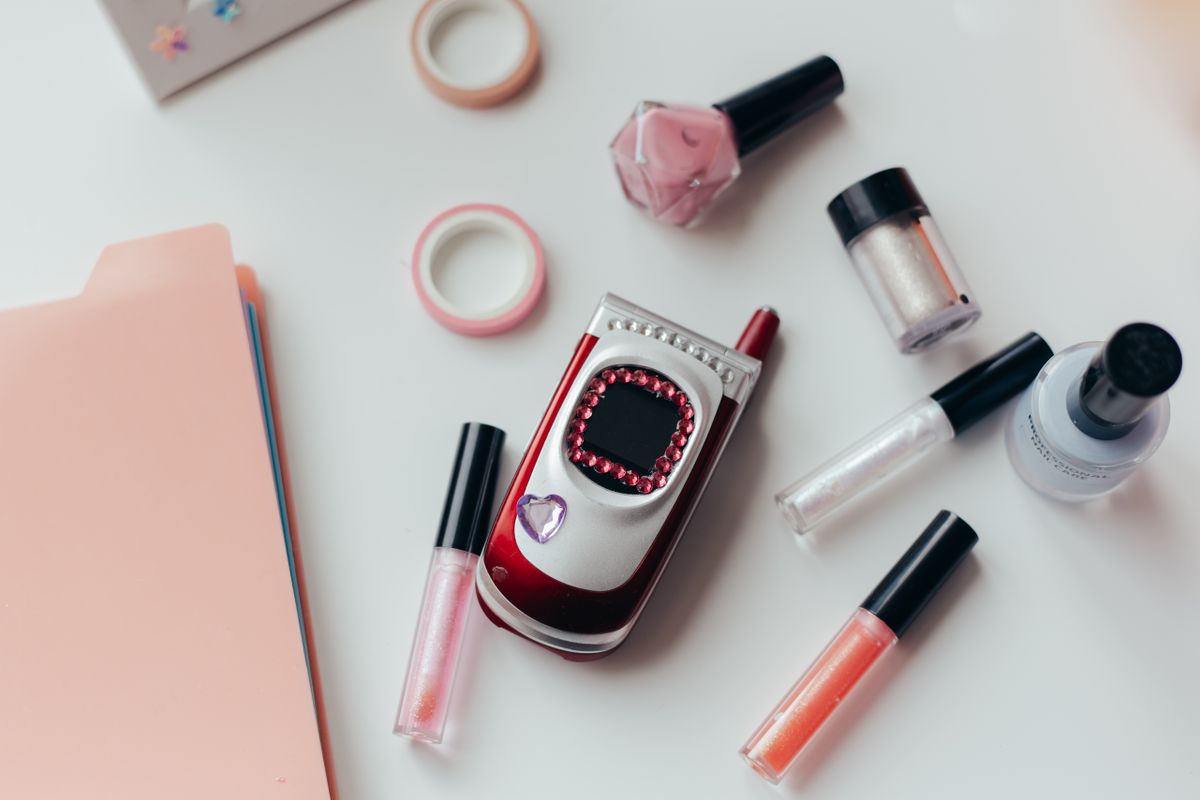
Beauty products and skincare trend flat lay

How to Tell Whether a Beauty and Cosmetic Trend Is Helpful, Harmless, or Just Clever Marketing

Beauty trends move fast. One week everyone is talking about glass skin, skin cycling, lip stains, or scalp serums. The next week it is a new tool, a “miracle” ingredient, or a product that promises instant results. Some trends are genuinely useful. Some are mostly harmless fun. And some are just clever marketing dressed up as advice.

That is why the smartest beauty habit is not buying every new launch. It is learning how to judge a trend before it gets into your cart or onto your face. The American Academy of Dermatology says social media has made people more aware of skin care, but it also warns that not every trend is right for every skin type and that some can be harmful. Its dermatologists specifically note that piling on too many products can lead to clogged pores, irritation, and breakouts. (American Academy of Dermatology)

The first question to ask is simple: what problem is this trend actually solving? If a trend has no clear purpose beyond looking good in a video, that is your first clue it may be more about attention than results. Helpful trends usually solve a real problem. They make cleansing easier, sunscreen more wearable, hydration more consistent, or makeup more practical. Harmless trends tend to be mostly aesthetic, like a new lip combo or a different blush placement. Marketing-driven trends usually promise transformation without being specific about how or why they work.

The second question is whether the trend fits your skin, hair, nails, or routine. AAD dermatologists stress that trends are not universally suitable for all skin types. Something that works for an influencer with resilient skin may go badly on sensitive, acne-prone, rosacea-prone, or eczema-prone skin. Cleveland Clinic makes the same basic point in a different way: everyone’s skin reacts differently, and people with a history of irritation or skin conditions should be especially cautious with online advice. (American Academy of Dermatology)

A helpful beauty trend usually has three qualities. First, it is based on a product type or habit that already makes sense in basic skin care, body care, or makeup. Second, it does not require extreme use, pain, or damage to work. Third, it can be explained without hype. For example, the AAD notes that some parts of the glass-skin trend are positive, such as moisturizing and using broad-spectrum SPF 30 or higher. That is a good sign. The useful part of the trend is really just solid skin care with a trendy name. (American Academy of Dermatology)

A harmless trend usually sits in the middle. It may not be essential, but it is not especially risky either. That could mean a different makeup finish, a softer lip look, or a body care routine that feels a bit more luxurious. The test here is whether it is easy to stop and unlikely to cause damage. If the trend is mostly reversible and does not ask you to irritate the skin, breach the cuticle, or use strong actives recklessly, it may simply be a style choice rather than a serious concern.

The trends that deserve the most skepticism are the ones that ask you to do something invasive, painful, or oddly urgent at home. The AAD specifically warns against at-home cosmetic procedures such as microneedling, injecting fillers, and using lasers for hair removal, noting the risk of infection, bad reactions, and improper technique. Its dermatologists also warn that a social media video may show an immediate good result while hiding what happened later. That is a major clue that a trend is not harmless just because it looks impressive online. (American Academy of Dermatology)

Another smart question is whether there is any evidence beyond before-and-after clips. A trend is more likely to be helpful if experts can explain what it does, what its limits are, and who should avoid it. The AAD’s discussion of at-home red-light devices is a good example of measured advice: some devices are FDA-cleared for certain uses, but more research is still needed on exactly how effective they are, and dermatologist guidance is still recommended. That is very different from an influencer saying something “works for everyone.” (American Academy of Dermatology)

You should also look at who benefits if you believe the trend. The Federal Trade Commission says endorsements must be honest and not misleading, and that material connections, such as payment or free products, should be disclosed clearly when they could affect how people evaluate the recommendation. In plain terms, if someone is praising a product and has been paid, gifted the product, or has another brand relationship, you should weigh that differently than a true independent review. (Federal Trade Commission)

That does not mean every sponsored post is false. It means you should slow down when a trend seems built around urgency, scarcity, or emotional pressure. Phrases like “you need this,” “everyone is doing this,” or “results overnight” are often marketing signals, not evidence. A helpful trend usually still sounds sensible when you strip away the branding.

One of the best ways to test a new trend is to introduce it slowly. Cleveland Clinic recommends doing a skin test with new products first, especially to check for irritation. That matters because a trend can be theoretically harmless and still be wrong for your skin. If a product stings, causes a rash, or makes your skin feel worse, the internet’s enthusiasm does not matter much. Your own skin is better evidence than a viral video. (Cleveland Clinic)

A final filter is this: would a dermatologist, doctor, or other qualified professional describe the trend in the same way the marketing does? Cleveland Clinic advises caution with AI and social media beauty advice and recommends consulting a dermatologist when you have concerns, sensitive skin, or a condition you are trying to treat. That is especially important when a trend claims to fix acne, pigmentation, hair loss, or signs of aging. The bigger the promise, the more careful you should be. (Cleveland Clinic)

In the end, the best way to tell whether a beauty and cosmetic trend is helpful, harmless, or just clever marketing is to ask a few steady questions. Does it solve a real problem? Does it suit your skin or routine? Is it reversible and low-risk? Is there expert support for it? And is the person promoting it actually being transparent? When you start judging trends that way, hype loses a lot of its power, and your routine gets a lot smarter.

The Ultimate Long Term Beauty and Cosmetic Strategy for Healthy Skin, Better Makeup, and More Confident Choices

Beauty and cosmetic routine essentials

The Ultimate Long Term Beauty and Cosmetic Strategy for Healthy Skin, Better Makeup, and More Confident Choices

Building a beauty routine is easy. Building one that still works a year from now is much harder. A lot of people start with excitement, buy too many products, follow trends that do not suit them, and end up with a routine that feels expensive, confusing, and inconsistent. That is why the best long term beauty and cosmetic strategy is not about chasing every new launch. It is about creating a routine that supports healthy skin, helps makeup look better, and makes your choices feel easier and more confident over time.

A strong long term beauty strategy starts with one simple truth: skin health comes first. Makeup usually looks its best on skin that is clean, balanced, and comfortable. If your skin is irritated, dehydrated, congested, or overloaded with products, even expensive makeup can sit badly. Healthy skin creates a better base, which means you often need less makeup and fewer corrections during the day.

The first part of a long term routine should always be skincare basics. For most people, that means a gentle cleanser, a moisturizer that suits your skin type, and sunscreen during the day. These are not the most glamorous products on the shelf, but they are the ones that make the biggest long term difference. A gentle cleanser keeps the skin fresh without stripping it. A good moisturizer supports the skin barrier and helps maintain comfort. Sunscreen protects the skin and supports a more even, healthier-looking complexion over time.

This is where a lot of routines go wrong. People skip the basics and jump straight into strong treatments, trendy serums, or unnecessary extras. The smarter approach is to make sure the foundation is solid first. Once those basics are working, you can slowly add targeted products if your skin actually needs them. That might mean a treatment for breakouts, dullness, dryness, or uneven tone. But the key word is targeted. Long term results come from purpose, not product overload.

Consistency matters more than intensity. A simple routine you follow every day will usually do more for your skin than a complicated routine you only manage twice a week. This is one of the most important mindset shifts in beauty. The goal is not perfection. The goal is repeatable care. When your routine is realistic, you are more likely to stick with it, and that is what leads to visible improvement.

The second part of a smart beauty strategy is learning how to make makeup work with your skin instead of against it. Better makeup is not always about using more. In fact, long term beauty choices usually become more selective over time. Once you know your skin, you start realizing that a few reliable products often work better than a drawer full of half-used ones.

A skin tint, lightweight foundation, or tinted moisturizer may be enough for everyday wear if your skincare is doing its job well. A good concealer can brighten where needed without forcing you to cover your whole face. Cream blush, brow gel, mascara, and a comfortable lip product can go a long way. The goal is not to hide your skin. It is to enhance your features in a way that feels natural and manageable.

This kind of makeup strategy also saves time and money. When you stop buying products for fantasy versions of yourself and start buying for your real life, your beauty routine becomes more efficient. You are less likely to waste money on full glam products you rarely use or on formulas that looked exciting online but do not suit your actual face, schedule, or preferences.

The third part of a long term beauty and cosmetic strategy is making better buying decisions. This is where confidence really grows. Many beauty mistakes come from shopping too emotionally. You see a trend, a sale, a viral product, or a glowing review and feel like you need it. But confident choices come from slowing down. Ask whether a product solves a real problem, fits your routine, and works for your skin type. If the answer is no, it probably does not belong in your collection.

A smarter beauty routine is usually a more edited one. That does not mean boring. It means intentional. You know which cleanser works for you. You know which base products sit well on your skin. You know which blush shades you actually wear. You stop chasing random products and start building a collection that makes sense. That is where beauty starts feeling easier.

It also helps to accept that your routine will change over time. Skin changes with age, weather, stress, hormones, and lifestyle. The products you loved at one stage may not be perfect forever. A long term strategy is not rigid. It is adaptable. You might need richer hydration in winter, lighter products in summer, or gentler formulas when your skin feels sensitive. Confident beauty choices come from paying attention and adjusting with purpose, not from staying attached to products that no longer fit.

Another important part of a long term routine is maintenance. Clean your makeup brushes. Check expiration dates. Replace products that no longer perform well. Keep your most-used essentials easy to find. Small habits like these make a bigger difference than most people expect. They help products work better, keep your routine cleaner, and reduce waste.

Most importantly, build a routine that reflects how you want to feel, not just how you want to look. Beauty is much easier to maintain when it supports confidence instead of pressure. Healthy skin, better makeup, and smarter buying habits all come from the same place: knowing what works for you and trusting that you do not need everything.

In the end, the ultimate long term beauty and cosmetic strategy is simple. Protect your skin. Keep your routine consistent. Choose makeup that enhances instead of covers. Buy with purpose. Adjust as your needs change. When you do that, beauty becomes less about chasing trends and more about building something that actually lasts.