The Best Beauty and Cosmetic Products to Keep in Your Bag for Midday Touch Ups and Skin Freshening
A long day can change the way your skin and makeup look faster than you expect. By the middle of the afternoon, foundation may start to fade, concealer can crease, your T-zone may look shiny, and lipstick may have disappeared after coffee or lunch. That is why having the right beauty and cosmetic products in your bag makes such a difference. A few smart essentials can help you look fresher, feel more comfortable, and avoid carrying a full makeup collection everywhere you go.
The best midday touch-up products are not the heaviest ones. They should be compact, easy to use, and practical enough for real life. Whether you are going from work to dinner, class to errands, or meetings to an evening event, the goal is not to redo your whole face. The goal is to refresh what is already there and keep your skin looking natural.
The first must-have item is blotting papers. These are one of the easiest ways to freshen up your skin without adding more product. If your forehead, nose, or chin gets shiny during the day, blotting papers help absorb excess oil without making makeup look thick or cakey. This is especially useful for oily or combination skin, because piling powder on top of shine can sometimes make the face look heavier instead of cleaner. A few blotting sheets take almost no space in your bag and can instantly make your skin look more balanced.
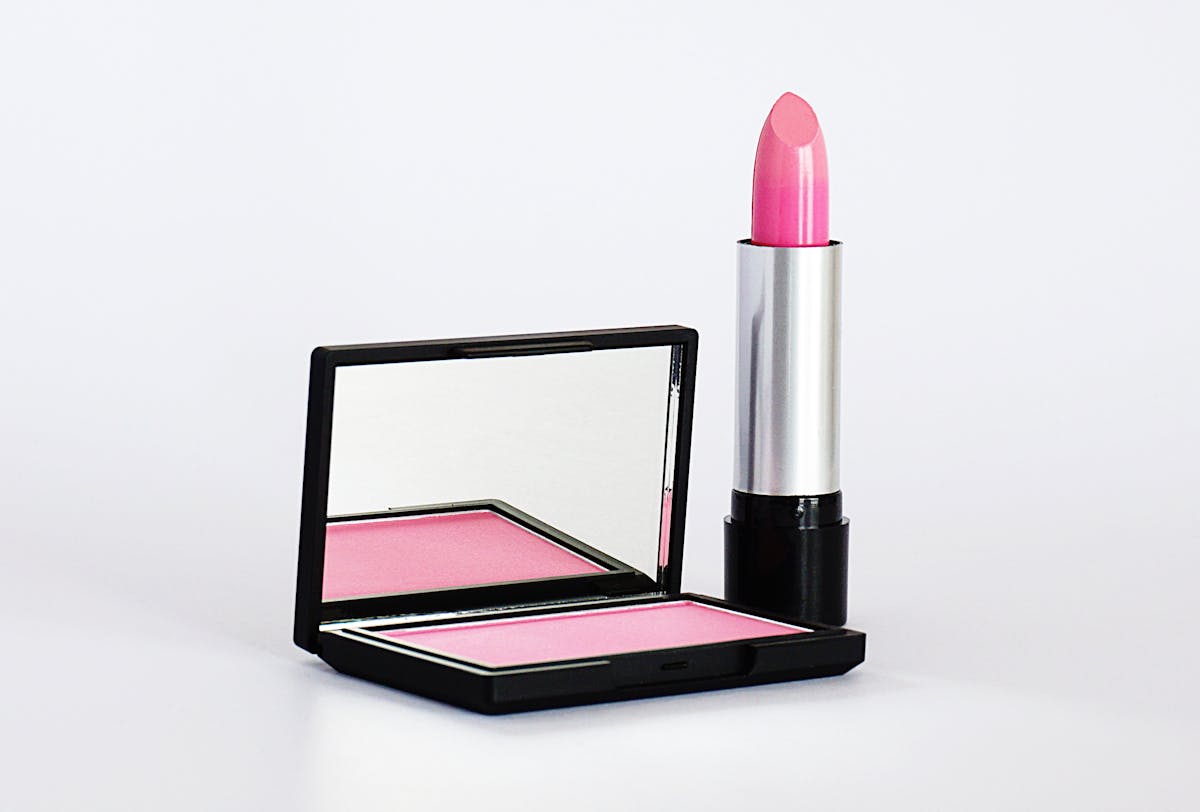
The next useful product is pressed powder, but it should be used lightly. A small compact with a mirror is one of the best beauty products for midday touch ups because it helps smooth shine, set areas that have started to fade, and quickly improve the overall look of your makeup. The key is to use only a little. Focus on the center of the face or any areas where makeup tends to move. If your skin is dry, you may not need powder at all. In that case, blotting papers and a bit of concealer may be enough.
Concealer is another important bag essential. A small concealer can help you refresh under the eyes, soften redness around the nose, or touch up any spots where coverage has faded. It is much more practical than carrying a whole foundation bottle. For most people, a concealer is one of the best cosmetic products to keep in a handbag because it does several jobs at once. A dab in the right place can make you look far more rested without turning the touch-up into a full routine.
Lip balm or a tinted lip product is another everyday essential. Lips often get dry during the day, especially after eating, drinking, or being in air-conditioned spaces. A hydrating lip balm makes you look fresher right away, even if you are wearing very little makeup. A tinted balm or easy lipstick adds both moisture and color, which makes it even more useful. This is one of the simplest ways to bring life back to your face in seconds.
If you wear lipstick often, a lip liner or the exact lip color you started with can also be worth carrying. Many people find that the quickest way to look polished again is not retouching foundation. It is just refreshing the lips. A clean, comfortable lip color can make your whole look feel more finished, even if the rest of your makeup stays minimal.
A small facial mist can also be helpful, especially if your skin starts feeling dry, tired, or dull by midday. A light mist can make your face feel more comfortable and take away that stale feeling that sometimes builds up after hours indoors. If you use one, keep it subtle. You want a product that refreshes the skin without soaking your makeup. This step is especially useful for dry or dehydrated skin, but it can also be nice in hot weather or after commuting.
Hand cream deserves a place in your bag too. It may not sound like a makeup essential, but it is definitely part of looking and feeling put together. Dry hands can make your whole routine feel incomplete, especially in colder weather or after frequent handwashing. A small hand cream helps keep your skin soft and makes midday self-care feel a little more polished.
Another smart product to keep in your bag is a mini brow gel or brow pencil if brows are a big part of your look. Brows can fade or lose shape during a long day, and a quick brush through can make your face look more defined right away. This step is not necessary for everyone, but for people who rely on brow products daily, it can be one of the most useful quick fixes.
Travel-size fragrance or body mist can also be helpful, but it should stay light. A midday refresh is about feeling clean and comfortable, not overwhelming the senses. One soft spritz is usually enough. If your bag is already full, this is a step you can skip, but for many people it adds a nice finishing touch.
One thing to avoid is carrying too much. A good midday beauty bag should stay small and realistic. If it becomes packed with full-size products, multiple palettes, and items you never actually use, it stops being helpful. A better setup might include blotting papers, pressed powder, concealer, lip balm or lipstick, hand cream, and maybe one extra item based on your needs, like brow gel or facial mist.
It also helps to think about your own routine when deciding what to carry. If your makeup tends to fade around the lips, focus there. If your skin gets shiny, prioritize blotting papers and powder. If your under-eyes crease or you get redness around the nose, keep concealer close. The best beauty and cosmetic products for midday touch ups are the ones that solve your actual everyday problems.
In the end, keeping the right products in your bag is less about carrying more and more about carrying better. A few smart essentials can refresh your skin, improve your makeup, and help you feel more confident through the rest of the day. When your touch-up routine is simple, fast, and realistic, staying polished becomes much easier.